Chatravata Narasimha Swamy Temple
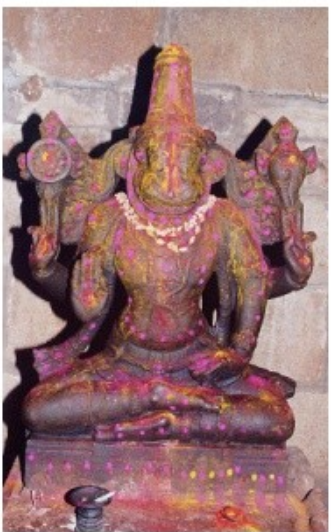
The Chatravata Narasimha Swamy Temple is one of the most peaceful and spiritually enchanting shrines among the Nava Narasimha Temples of Ahobilam. Located approximately 3 kilometers from Lower Ahobilam amidst the serene forests of the Nallamala Hills in Andhra Pradesh, this sacred temple is dedicated to Sri Chatravata Lakshmi Narasimha Swamy, a graceful and compassionate manifestation of Lord Narasimha. Unlike the fierce forms worshipped at Ahobila and Jwala Narasimha temples, Chatravata Narasimha represents the Lord's divine love for music, devotion, peace, and artistic expression. The temple has long been revered as a sacred place where celestial music, sincere devotion, and divine grace unite.
The Meaning Behind "Chatravata"
The name "Chatravata" is derived from two Sanskrit words: "Chatra," meaning umbrella, and "Vata," meaning banyan or peepal tree. According to temple tradition, Lord Narasimha manifested beneath a large sacred tree whose broad branches spread like a natural umbrella over the deity. Because the Lord appeared beneath this tree, the place became famous as Chatravata Narasimha. Even today, the temple preserves the memory of this sacred legend and remains closely associated with the divine tree under which the Lord revealed Himself.
Divine Patron of the Arts
According to the Bhagavata Purana, Brahmanda Purana, and the sacred Ahobila Sthala Purana, after Lord Narasimha destroyed the demon king Hiranyakashipu and protected His devoted follower Prahlada, He manifested in nine different divine forms throughout the hills of Ahobilam. Each manifestation represents a unique aspect of the Lord's personality and His relationship with devotees. Chatravata Narasimha reveals the Lord as the divine patron of music, devotion, joy, and spiritual bliss.
The Legend of HaHa and HuHu
One of the most beautiful legends associated with this temple concerns the celestial musicians HaHa and HuHu, the renowned Gandharvas of the heavenly worlds. According to ancient tradition, these Gandharvas came to the forests of Ahobilam and began singing devotional hymns beneath the sacred Vata tree in praise of Lord Narasimha. Their music was filled with purity, humility, and unwavering devotion.
Pleased by their heartfelt singing, Lord Narasimha manifested beneath the sacred tree with a beautiful, wide smile, blessing both Gandharvas. He granted them extraordinary mastery over music and declared that devotional music offered with sincerity is one of the highest forms of worship. From that day onward, the place became known as Chatravata Narasimha Swamy Temple, and Lord Narasimha came to be worshipped as the divine protector of music, arts, learning, and devotion.
Because of this sacred legend, the temple has become especially important for musicians, singers, dancers, students of classical arts, scholars, and devotees seeking excellence in education and creativity. Many devotees visit the temple before beginning careers in music, dance, literature, and fine arts, believing that Lord Chatravata Narasimha blesses sincere effort with divine inspiration and success.
Unique Iconography and the Tala Mudra
The presiding deity, Sri Chatravata Lakshmi Narasimha Swamy, is a majestic six-foot-tall figure worshipped in a calm and benevolent seated posture. The Lord possesses four divine arms, holding the Shankha (Conch) and Sudarshana Chakra in His upper hands, while His lower right hand is in Abhaya Mudra, blessing devotees with protection and fearlessness.
Most uniquely, His lower left hand is depicted in the Tala Mudra, a gesture of keeping rhythm or playing cymbals. This rare hand gesture, not seen in any other form of the Lord in any other place, symbolizes His delight in the devotional music of the Gandharvas and His connection to divine rhythm. He is famously depicted smiling, seemingly engrossed in the celestial melodies. In Vedic astrology, this temple is uniquely associated with the planet Ketu, drawing devotees seeking spiritual liberation and relief from Ketu-related difficulties.
Serenity Amidst the Nallamala Hills
The peaceful surroundings of the temple further enhance its spiritual significance. Surrounded by green forests, gentle breezes, birdsong, and the quiet beauty of the Nallamala Hills, the temple offers an atmosphere of complete serenity. Pilgrims often spend time in silent meditation after offering prayers, experiencing a deep sense of inner peace and divine presence.
Historical Patronage
Historically, the Chatravata Narasimha Temple has existed for many centuries and has formed an integral part of the sacred Ahobilam pilgrimage. Like the other Nava Narasimha temples, it flourished under the patronage of the Western Chalukyas, Kakatiya Kings, Reddy Kings, and especially the Vijayanagara Empire. During the reign of Emperor Sri Krishnadevaraya, generous donations, temple renovations, stone pathways, and pilgrim facilities were developed, strengthening the importance of Ahobilam as one of the foremost Narasimha Kshetras in India.
The temple has remained under the spiritual guardianship of the Sri Ahobila Mutt, founded by Sri Adivan Sathakopa Yatheendra Mahadesikan. For more than six centuries, the Ahobila Mutt has preserved the ancient Pancharatra Agama traditions, daily worship, Vedic chanting, festivals, and Sri Vaishnava philosophy associated with all the Nava Narasimha temples. The uninterrupted worship conducted here reflects the temple's enduring spiritual importance.
Architecture and Pilgrimage
Architecturally, the temple is simple yet elegant. Constructed with traditional South Indian stone architecture, the shrine blends naturally with the surrounding forest environment. Rather than emphasizing grandeur, the temple reflects simplicity, harmony, and devotion. The sacred tree, peaceful atmosphere, and natural surroundings make it one of the most tranquil shrines in Ahobilam.
The temple is conveniently accessible from Lower Ahobilam and is usually visited along with Yogananda Narasimha, Bhargava Narasimha, and Prahlada Varada Lakshmi Narasimha Swamy Temple. Together, these temples form an important part of the Nava Narasimha pilgrimage and provide devotees with a complete spiritual experience of the Lord's various divine manifestations.
Festivals and Spiritual Significance
Every year, thousands of pilgrims visit Chatravata Narasimha Temple during Narasimha Jayanti, Brahmotsavam, Vaikuntha Ekadashi, and other important Sri Vaishnava festivals. During these celebrations, special Abhishekam, Archana, Alankaram, Vedic chanting, devotional music, bhajans, and religious processions are conducted with great devotion. Classical musicians and devotees often offer musical worship to the Lord, continuing the ancient tradition established by the Gandharvas.
Spiritually, Sri Chatravata Lakshmi Narasimha Swamy represents divine joy, devotion, peace, artistic excellence, knowledge, humility, and the Lord's boundless love for sincere worship. The temple teaches that music, when offered with purity of heart, becomes a powerful form of prayer capable of bringing the devotee closer to God. The blessings of Chatravata Narasimha are believed to remove fear, grant wisdom, improve education, inspire creativity, and fill life with harmony and spiritual happiness.
An Eternal Symbol of Grace
Today, the Chatravata Narasimha Swamy Temple continues to shine as one of the most sacred destinations of the Nava Narasimha pilgrimage. Surrounded by the timeless beauty of the Nallamala Hills and enriched by centuries of mythology, history, devotional music, and Sri Vaishnava tradition, the temple stands as an eternal symbol of divine compassion, artistic inspiration, spiritual peace, and the infinite grace of Lord Lakshmi Narasimha.