Namam

Sri Lakshmi Narasimha Swamy Devasthanam – Ahobilam

A Complete Overview of the Sacred Nava Narasimha Kshetram

Nestled deep within the majestic Ahobilam hills of the Nallamala Forest in Andhra Pradesh, Ahobilam is one of the most sacred pilgrimage destinations dedicated to Lord Narasimha, the fourth incarnation of Lord Vishnu. Revered as the place where Lord Narasimha appeared from a pillar to protect His greatest devotee, Prahlada, and destroy the demon king Hiranyakashipu, Ahobilam is not merely a temple complex but a divine spiritual landscape where mythology, history, devotion, and nature come together. For centuries, saints, sages, devotees, and pilgrims from across India have undertaken this sacred journey to experience the powerful presence of Lord Lakshmi Narasimha amidst dense forests, towering mountains, waterfalls, caves, and ancient shrines. The name "Ahobilam" itself is believed to have originated from the words "Aho" (wonder) and "Balam" (great strength), expressing the amazement of the gods upon witnessing the incomparable power of Lord Narasimha.

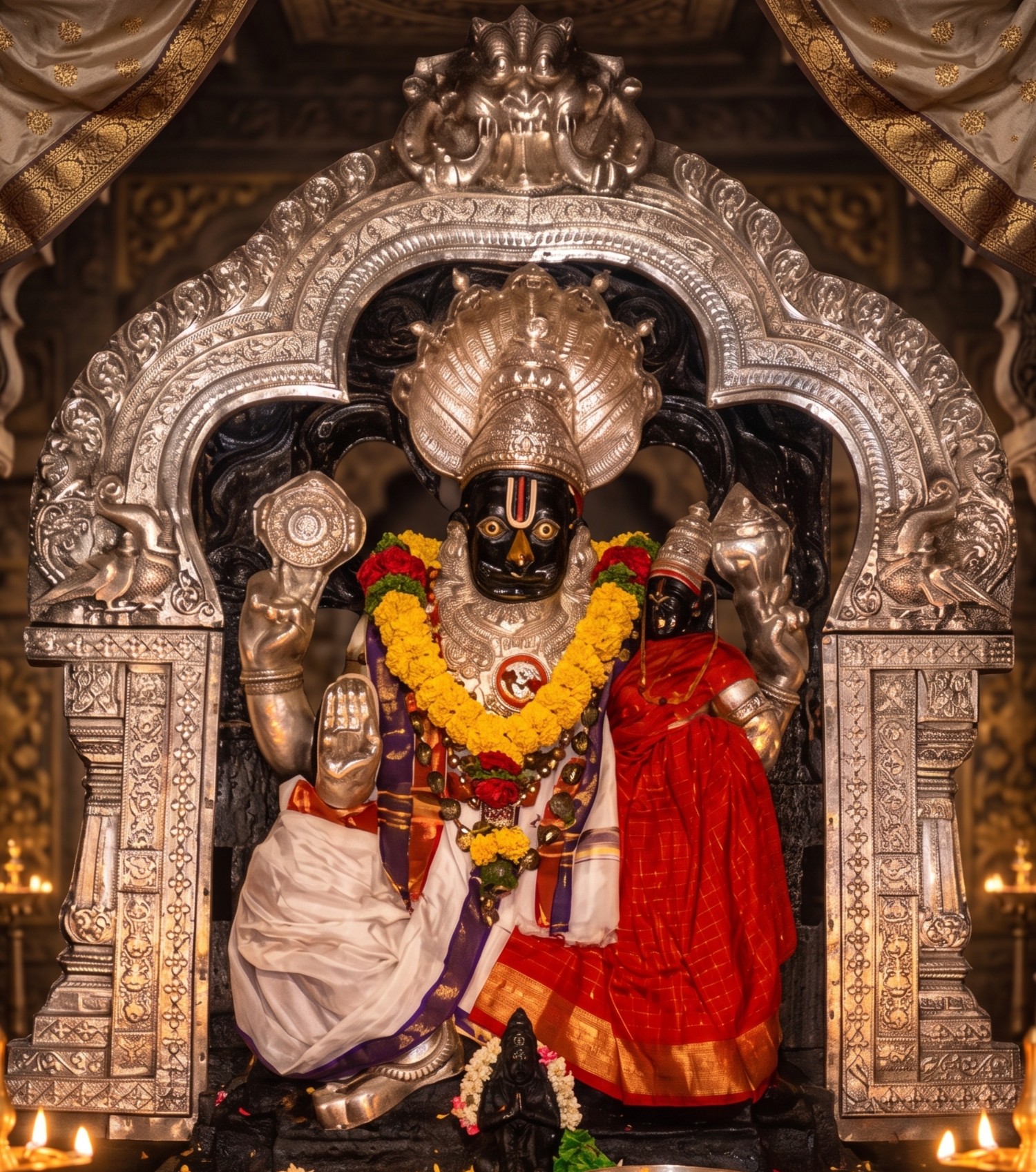
Ahobilam is divided into two major pilgrimage centers: Lower Ahobilam (Diguva Ahobilam) and Upper Ahobilam (Eguva Ahobilam). Lower Ahobilam serves as the main entrance to the pilgrimage and houses the magnificent temple of Sri Lakshmi Narasimha Swamy Temple, Lower Ahobilam, where Lord Narasimha appears in a peaceful form with Goddess Lakshmi. This temple is renowned for its towering Rajagopuram, beautifully carved stone pillars, spacious mandapams, ancient inscriptions, and traditional Dravidian architecture. The temple complex also contains the administrative offices, information center, prasadam counters, accommodation facilities, Annadana Satram, Goshala, museum, and various amenities that serve thousands of pilgrims every year. Lower Ahobilam is easily accessible by road and acts as the starting point for visiting the remaining shrines.

Upper Ahobilam, located about eight kilometers from Lower Ahobilam, lies deep inside the Nallamala hills and offers a completely different spiritual experience. Surrounded by thick forests, rocky cliffs, flowing streams, caves, and waterfalls, this sacred region is believed to be the exact place where Lord Narasimha manifested in His fierce Ugra form. The temple of Sri Ahobila Narasimha Swamy Temple is built inside a natural cave, creating an atmosphere filled with devotion, mystery, and divine energy. Pilgrims often describe the journey to Upper Ahobilam as both physically demanding and spiritually uplifting, as every step through the forest reflects the ancient legends preserved in these hills for thousands of years.

Divine Presence & Heritage

Lower Ahobilam

Lower Ahobilam

Upper Ahobilam

Upper Ahobilam

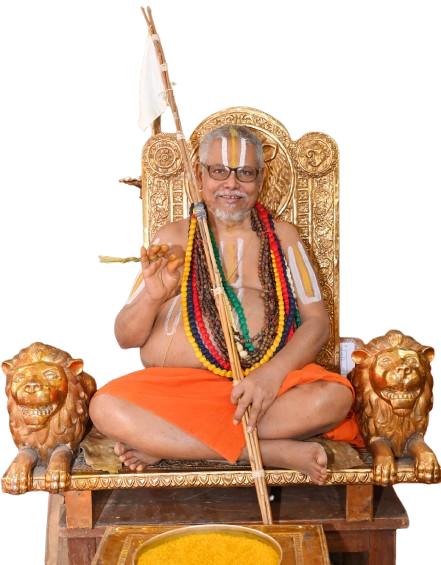
Srimad Azhagiyasingar

Srimad Azhagiyasingar

The Nine Holy Shrines

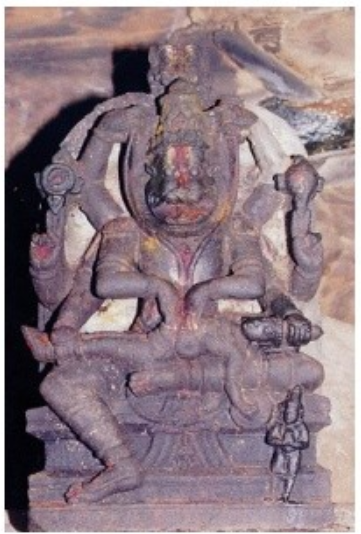
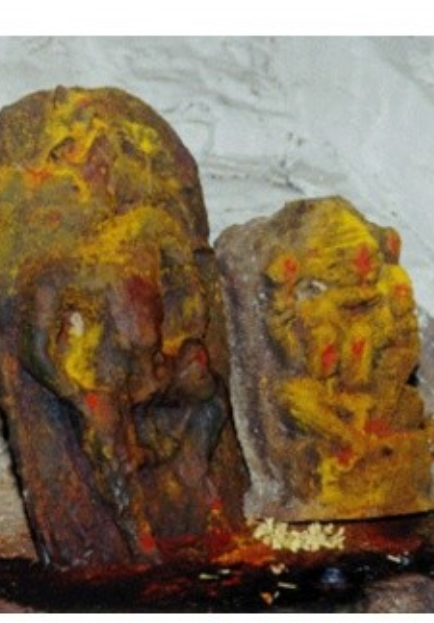
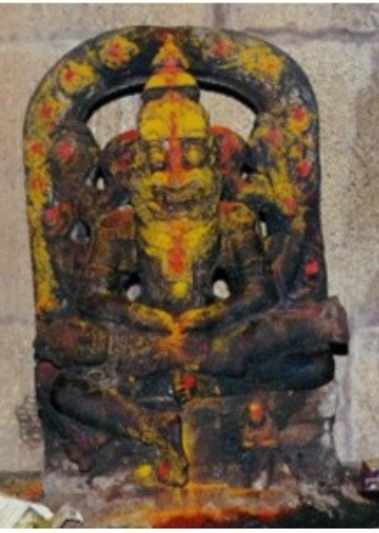
Ahobilam is internationally famous as the Nava Narasimha Kshetram, the only place in the world where nine different forms of Lord Narasimha are worshipped within a single sacred region. Each temple represents a unique manifestation of the Lord and carries its own legend, spiritual significance, and blessings.

Sacred Landmarks and Nature

One of the most sacred locations associated with Ahobilam is Prahlada Badi, traditionally believed to be the place where Prahlada received his education while continuously chanting the name of Lord Vishnu despite facing severe persecution from his father Hiranyakashipu. Even today, devotees visit this peaceful site to remember Prahlada's unwavering faith, humility, courage, and devotion. The location serves as an eternal reminder that sincere devotion always triumphs over arrogance and evil.

Perhaps the most adventurous destination in Ahobilam is Ugra Stambham, also known by devotees as Ukku Stambham. This towering rock pillar, located atop the rugged Nallamala hills, is traditionally believed to represent the pillar from which Lord Narasimha emerged to protect Prahlada. Reaching Ugra Stambham requires a demanding trek through steep forest trails, rocky slopes, waterfalls, and mountain paths. Although physically challenging, the pilgrimage rewards devotees with breathtaking panoramic views of the surrounding hills and an unforgettable spiritual experience. Many pilgrims consider this trek the highlight of their visit to Ahobilam because it combines faith, adventure, and nature in an extraordinary way.

The forests surrounding Ahobilam form part of the rich Nallamala ecosystem, one of South India's most significant forest regions. These hills are home to diverse wildlife, medicinal plants, ancient streams, seasonal waterfalls, caves, and rare species of flora and fauna. Throughout the pilgrimage, visitors walk through natural pathways where birds, butterflies, monkeys, and forest wildlife can often be seen. During the monsoon season, the forests become especially beautiful, with lush greenery, flowing waterfalls, and mist-covered mountains creating a truly divine atmosphere. Because several shrines lie inside protected forest areas, pilgrims are advised to travel during daylight hours, wear comfortable trekking footwear, carry sufficient drinking water, and respect forest conservation guidelines.

Temple Facilities and Festivals

The temple administration provides several facilities to ensure a comfortable pilgrimage. The Annadana Satram serves free, freshly prepared meals to thousands of devotees every day as an offering of selfless service. Pilgrims from every background are welcomed with equal respect to partake in this sacred meal. The temple Goshala cares for cows in accordance with traditional Hindu practices and reflects the importance of cow protection in Vaishnava culture. A temple museum preserves ancient sculptures, historical photographs, inscriptions, traditional artifacts, religious manuscripts, and exhibits that illustrate the rich history of Ahobilam and the spiritual heritage of the Ahobila Matha. Accommodation facilities include guest houses, cottages, dormitories, and private lodges at both Lower and Upper Ahobilam, making it convenient for pilgrims to stay overnight while completing the full Nava Narasimha pilgrimage.

Ahobilam remains vibrant throughout the year, but its spiritual grandeur reaches its peak during major festivals. Brahmotsavam is celebrated with magnificent processions, Vedic rituals, cultural performances, and thousands of devotees gathering from across the country. Narasimha Jayanti commemorates the divine appearance of Lord Narasimha and is observed with special abhishekams, homams, devotional chanting, and grand celebrations. Vaikuntha Ekadashi, Kalyanotsavam, Dolotsavam, and several annual utsavams also attract large numbers of pilgrims, transforming the temple complex into a vibrant center of devotion and celebration.

Planning Your Pilgrimage

Ahobilam is well connected by road and is easily accessible from Allagadda, which serves as the nearest major transport hub. Regular buses and shared vehicles operate between Allagadda and Lower Ahobilam throughout the day, while additional transport is available to Upper Ahobilam. Most pilgrims begin their journey at Lower Ahobilam, visit the nearby Nava Narasimha temples, proceed to Upper Ahobilam, and finally undertake the trek to Jwala Narasimha and Ugra Stambham before returning.

A complete pilgrimage usually requires one to two days, depending on the devotee's pace and interest in trekking. The ideal season to visit is between October and March, when the weather remains pleasant for outdoor travel. Summers can be quite warm, while the monsoon transforms the hills into a spectacular green landscape, although trekking routes may become slippery. Pilgrims are encouraged to wear comfortable clothing, carry water, respect temple customs, maintain cleanliness throughout the sacred region, and preserve the ecological beauty of the Nallamala forests.

Ahobilam is far more than a destination for temple visits—it is a living spiritual heritage where every cave, mountain, forest trail, waterfall, and shrine echoes the timeless story of Prahlada's devotion and Lord Narasimha's divine protection. Every step through its sacred hills reminds pilgrims that righteousness ultimately triumphs over evil, faith overcomes fear, and divine grace remains ever-present for those who seek it with sincerity. A journey to Ahobilam is therefore not simply a pilgrimage through temples, but a transformative experience through history, mythology, nature, and unwavering devotion that leaves an unforgettable impression on every visitor.